Typhoon (hurricane) — what to do before, during and after
Hurricanes are dangerous and can cause major damage from storm surges, wind damage, rip currents and flooding. In parts of the western North Pacific, hurricanes are called typhoons. What to have: Medication, disinfectant supplies and pet supplies, a charged cell phone · backup charging devices to power electronics, copies of insurance policies and ID, enough supplies for your household and more. From the official Ready.gov (FEMA) guidance.
Typhoon (hurricane) — before, during and after
Hurricanes are dangerous and can cause major damage from storm surges, wind damage, rip currents and flooding. In parts of the western North Pacific, hurricanes are called typhoons.
What to have
Before
- If you live in an evacuation zone, learn your evacuation routes, practice with your household and pets, and identify where you will stay.
- Be sure to have several ways to receive alerts.
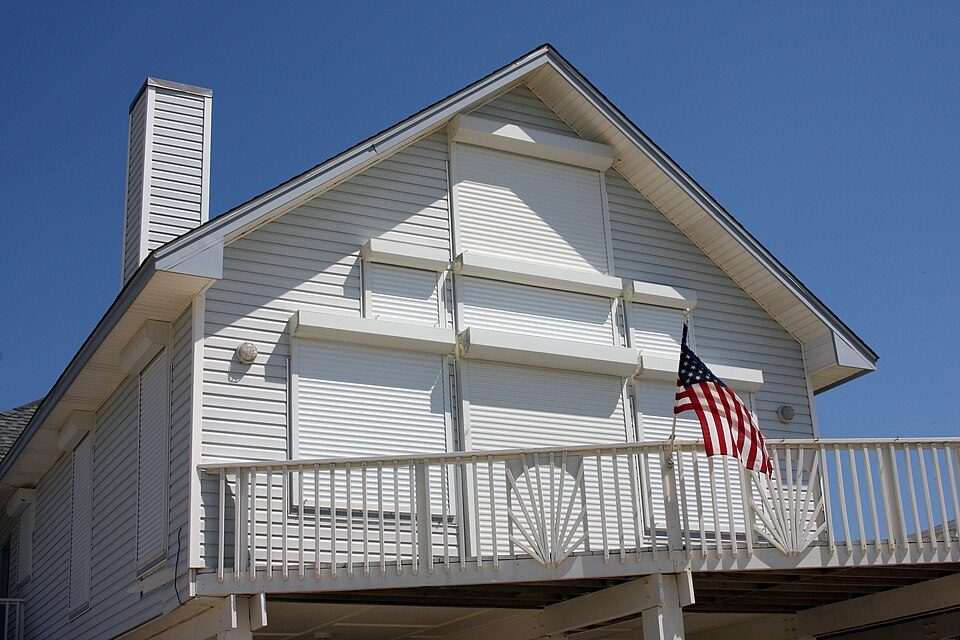
- De-clutter drains and gutters, bring in outside furniture and consider hurricane shutters.
During the storm
- Pay attention to emergency information and alerts. If you live in a mandatory evacuation zone and local officials tell you to evacuate, do so immediately.
- Take refuge in a designated storm shelter or an interior room for high winds.
- Go to the highest level of the building if you are trapped by flooding. Do not climb into a closed attic — you may become trapped by rising flood water.
- Do not walk, swim or drive through flood waters. Just six inches of fast-moving water can knock you down, and one foot of moving water can sweep your vehicle away.
After it passes
- Do not touch electrical equipment if it is wet or if you are standing in water. If it is safe, turn off electricity at the main breaker or fuse box.
- Do not wade in flood water — it can contain dangerous pathogens, debris and chemicals, and downed power lines can electrically charge the water.
- Wear protective clothing and masks during cleanup and work with someone else. Children should not help with disaster cleanup work.
- Save phone calls for emergencies. Use text messages or social media to communicate with family and friends.
Source: Ready.gov · FEMA — Hurricanes
Get disaster alertsEarthquakes, tsunamis and volcanoes, sent to your phone when observed. No sign-up, no fee.
About disaster alerts →FAQ
What supplies do I need for a typhoon?
Medication, disinfectant supplies and pet supplies (in your go bag or car trunk); A charged cell phone · backup charging devices to power electronics; Copies of insurance policies and ID (also in a secure password-protected digital space); Enough supplies for your household — you may not have access to them for days or even weeks.
Typhoon — What should I do beforehand?
If you live in an evacuation zone, learn your evacuation routes, practice with your household and pets, and identify where you will stay. Be sure to have several ways to receive alerts. De-clutter drains and gutters, bring in outside furniture and consider hurricane shutters.
Typhoon — What should I do during the storm?
Pay attention to emergency information and alerts. If you live in a mandatory evacuation zone and local officials tell you to evacuate, do so immediately. Take refuge in a designated storm shelter or an interior room for high winds. Go to the highest level of the building if you are trapped by flooding. Do not climb into a closed attic — you may become trapped by rising flood water. Do not walk, swim or drive through flood waters. Just six inches of fast-moving water can knock you down, and one foot of moving water can sweep your vehicle away.
Typhoon — What should I do after it passes?
Do not touch electrical equipment if it is wet or if you are standing in water. If it is safe, turn off electricity at the main breaker or fuse box. Do not wade in flood water — it can contain dangerous pathogens, debris and chemicals, and downed power lines can electrically charge the water. Wear protective clothing and masks during cleanup and work with someone else. Children should not help with disaster cleanup work. Save phone calls for emergencies. Use text messages or social media to communicate with family and friends.
See every situation on one page at Supplies & what to do, including how long each government advises keeping emergency supplies.
More
Not a forecast — these are events that have already been recorded. For travel safety, check your government's official travel advisory. Open the world disaster map →