Power and communications outage — what to do when electricity, phones and water stop
A power outage may disrupt communications, water and transportation, close stores, gas stations, ATMs and banks, cause food spoilage and water contamination, and prevent use of medical devices. What to have: Flashlights for every household member, batteries and other alternative power, such as a portable charger or power bank, battery-powered or hand crank radio, cash, nonperishable food and water and more. From the official Ready.gov (FEMA) guidance.
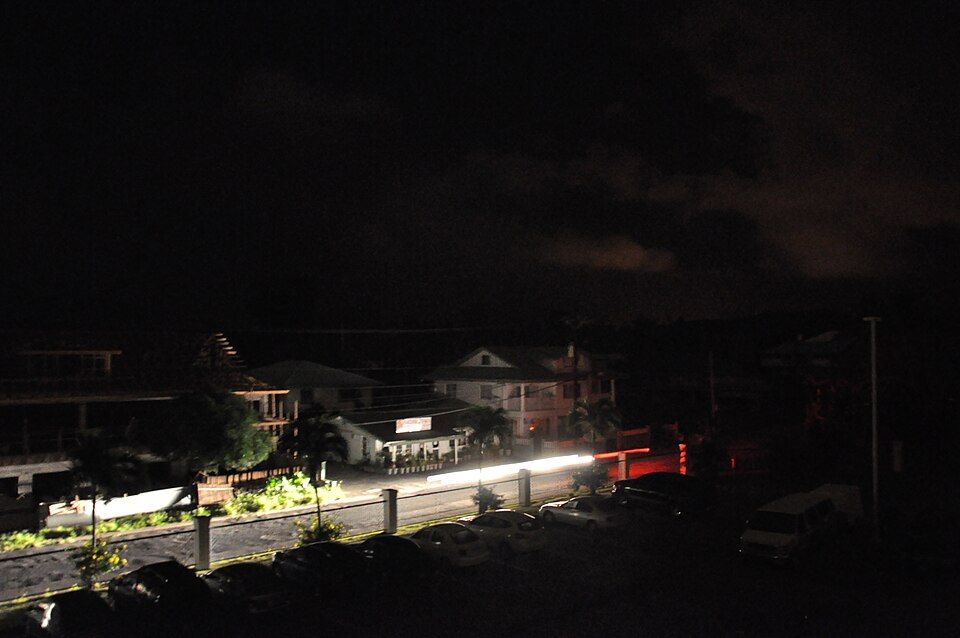
Power and communications outage — when electricity, phones and water stop
A power outage may disrupt communications, water and transportation, close stores, gas stations, ATMs and banks, cause food spoilage and water contamination, and prevent use of medical devices.
What to have
Before
- Take an inventory of the items you need that rely on electricity, and plan for batteries and other power sources.
- Find out whether your home phone will work in an outage and how long battery backup will last.
- Talk to your medical provider about a power outage plan for electric medical devices and refrigerated medicines.
During the outage
- Keep freezers and refrigerators closed — the refrigerator keeps food cold for about four hours, a full freezer for about 48 hours.
- Use generators, camp stoves or charcoal grills only outdoors and at least 20 feet away from windows. Never use a gas stove or oven to heat your home (carbon monoxide poisoning).
- Disconnect appliances and electronics to avoid damage from electrical surges.
- Go to a community location with power if heat or cold is extreme.
- Use text messages to communicate — they may be more reliable than phone calls.
Water
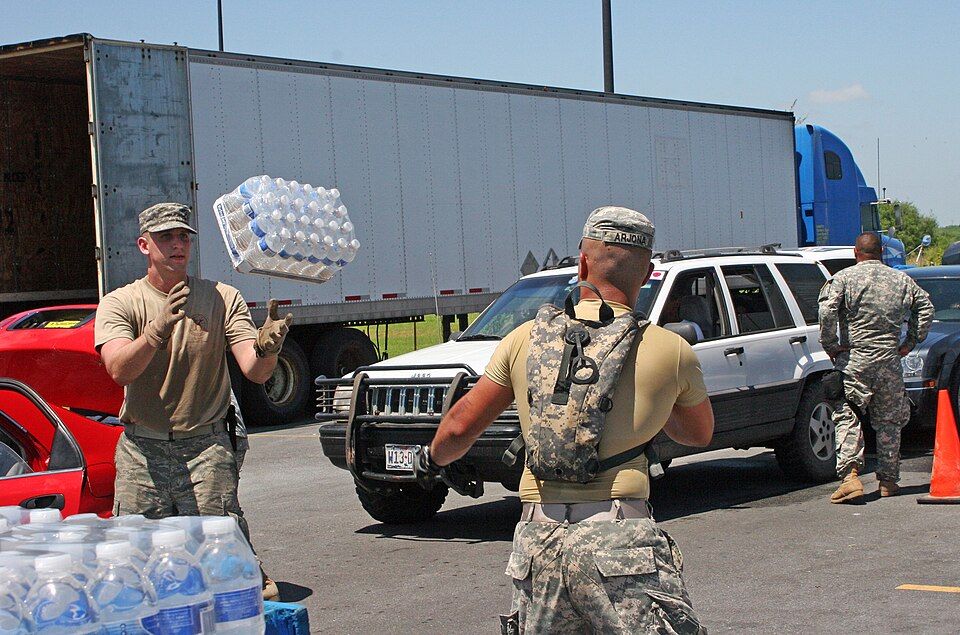
- Store at least one gallon of water per person per day for several days.
- Never ration drinking water unless ordered to do so by authorities — drink the amount you need today and try to find more for tomorrow.
- Do not drink carbonated or caffeinated beverages instead of water.
After
- When in doubt, throw it out — discard food exposed to 40 degrees (°F) or higher for two hours or more, or with an unusual odor, color or texture.
Source: Ready.gov · FEMA — Power Outages · Ready.gov · FEMA — Water · Ready.gov · FEMA — Earthquakes (text messages)
Get disaster alertsEarthquakes, tsunamis and volcanoes, sent to your phone when observed. No sign-up, no fee.
About disaster alerts →FAQ
What supplies do I need for a power outage?
Flashlights for every household member; Batteries and other alternative power, such as a portable charger or power bank; Battery-powered or hand crank radio; Cash (when ATMs and card payments stop); Nonperishable food and water; Carbon monoxide detectors with battery backup on every level of your home; Coolers with ice · a thermometer.
Power outage — What should I do beforehand?
Take an inventory of the items you need that rely on electricity, and plan for batteries and other power sources. Find out whether your home phone will work in an outage and how long battery backup will last. Talk to your medical provider about a power outage plan for electric medical devices and refrigerated medicines.
Power outage — What should I do during the outage?
Keep freezers and refrigerators closed — the refrigerator keeps food cold for about four hours, a full freezer for about 48 hours. Use generators, camp stoves or charcoal grills only outdoors and at least 20 feet away from windows. Never use a gas stove or oven to heat your home (carbon monoxide poisoning). Disconnect appliances and electronics to avoid damage from electrical surges. Go to a community location with power if heat or cold is extreme. Use text messages to communicate — they may be more reliable than phone calls.
Power outage — What about drinking water?
Store at least one gallon of water per person per day for several days. Never ration drinking water unless ordered to do so by authorities — drink the amount you need today and try to find more for tomorrow. Do not drink carbonated or caffeinated beverages instead of water.
Power outage — What should I do when the power comes back?
When in doubt, throw it out — discard food exposed to 40 degrees (°F) or higher for two hours or more, or with an unusual odor, color or texture.
See every situation on one page at Supplies & what to do, including how long each government advises keeping emergency supplies.
More
Not a forecast — these are events that have already been recorded. For travel safety, check your government's official travel advisory. Open the world disaster map →