Emergency kit checklist — what to pack and how much
After an emergency, you may need to survive on your own for several days. What to have: Water, food, battery-powered or hand crank radio, flashlight · extra batteries, first aid kit and more. From the official Ready.gov (FEMA) guidance.
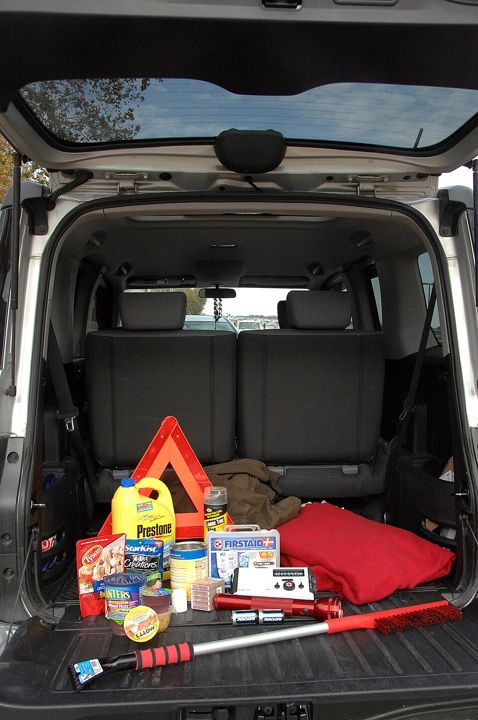
Basic emergency kit — the base for every situation
After an emergency, you may need to survive on your own for several days.
What to have
Storage
- Store items in airtight plastic bags and put your entire kit in one or two easy-to-carry containers.
- Prepare supplies for home, work and cars — be prepared to shelter at work for at least 24 hours.
- Keep canned food in a cool, dry place and replace expired items. Re-think your needs every year.
Source: Ready.gov · FEMA — Build a Kit
Get disaster alertsEarthquakes, tsunamis and volcanoes, sent to your phone when observed. No sign-up, no fee.
About disaster alerts →FAQ
What should go in an emergency kit?
Water (one gallon per person per day for several days, for drinking and sanitation); Food (at least a several-day supply of non-perishable food); Battery-powered or hand crank radio; Flashlight · extra batteries; First aid kit; Whistle (to signal for help); Dust mask (to help filter contaminated air); Plastic sheeting, scissors and duct tape (to shelter in place); Moist towelettes, garbage bags and plastic ties (for personal sanitation); Wrench or pliers (to turn off utilities); Manual can opener (for food); Local maps; Cell phone with chargers and a backup battery; Prescription medications · prescription eyeglasses; Cash; Copies of important family documents (insurance, identification, bank records) in a waterproof, portable container; Sleeping bag or warm blanket for each person · sturdy shoes; Fire extinguisher · matches in a waterproof container.
Emergency kit — How should I store it?
Store items in airtight plastic bags and put your entire kit in one or two easy-to-carry containers. Prepare supplies for home, work and cars — be prepared to shelter at work for at least 24 hours. Keep canned food in a cool, dry place and replace expired items. Re-think your needs every year.
See every situation on one page at Supplies & what to do, including how long each government advises keeping emergency supplies.
More
Not a forecast — these are events that have already been recorded. For travel safety, check your government's official travel advisory. Open the world disaster map →